Source Smokeless Cotton Candle Wick for Home, Wedding, and Party
Compare 28 listings for smokeless cotton candle wick suitable for home lighting, weddings, and parties. Buyers can evaluate customization options, wax types, and packaging details to find the right supplier for their specific needs; compare the available evidence and request quotations based on your requirements.
Key considerations
Products List


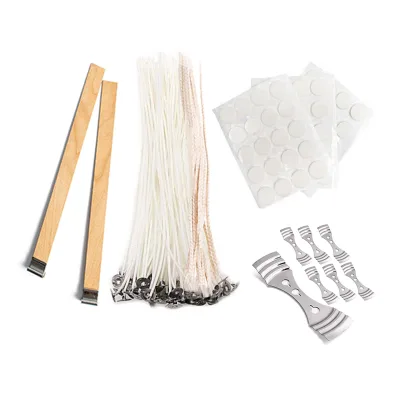
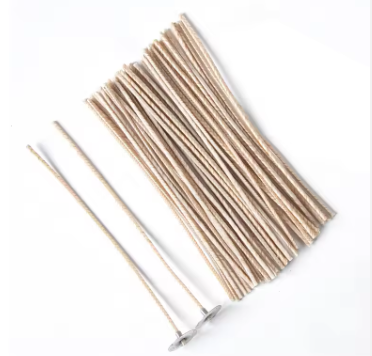


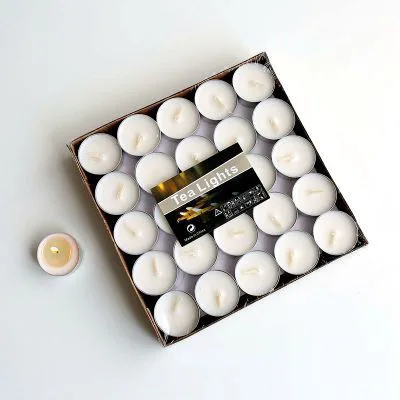

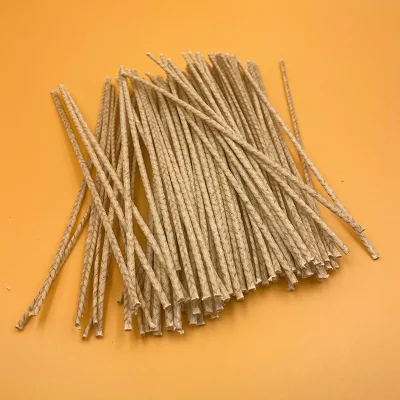
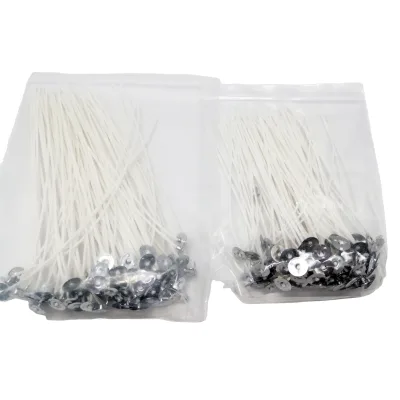
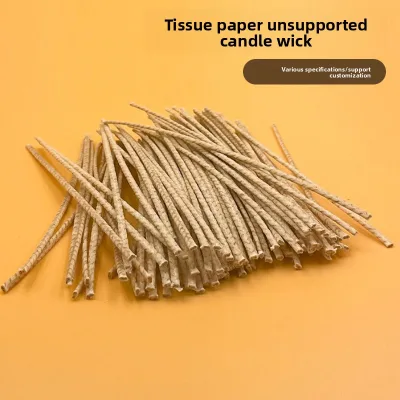
Comprehensive Sourcing Guide
Smokeless Cotton Candle Wick Sourcing Guide
Procuring smokeless cotton candle wicks requires a strategic focus on the specific wax composition and burning environment, as the wick's performance is inextricably linked to the fuel source. Buyers must verify that the cotton fibers are tightly braided to ensure a consistent flame height without excessive soot, which is critical for applications ranging from home lighting to religious ceremonies. The observed market data indicates a diverse range of candle types, including jar candles and LED alternatives, suggesting that wick selection must align with the specific container geometry and wax type, such as soybean or paraffin, to prevent tunneling or uneven burning.
Commercial viability in this sector often hinges on the ability to customize wick dimensions and materials to match unique product designs. Suppliers frequently offer customization services for wick size and treatment, allowing buyers to tailor the burn rate for specific scent profiles or decorative needs. However, procurement teams must carefully evaluate the minimum order quantities, which can vary significantly from small batches to thousands of units, to ensure alignment with inventory strategies. Understanding these commercial constraints is essential for maintaining a steady supply chain while managing the costs associated with specialized, high-quality cotton wicks.
Product Scope and Observed Listing Signals
The current market landscape for candle components reveals a broad spectrum of product attributes, including various wax materials like paraffin and soybean, alongside diverse container options such as glass jars and PVC display boxes. Listings often highlight specific usage scenarios, including weddings, parties, and holiday decorations, which necessitates wicks that can support different flame intensities and burn durations. Buyers should note that while some products feature unscented or custom fragrance options, the wick itself must remain neutral to avoid altering the intended aroma profile of the final candle product.
Observations of product listings indicate that manufacturers are increasingly focusing on aesthetic and functional customization, with options for multi-colored candles and minimalist styles. The presence of third-party inspection standards like SGS and ITS in the supply chain suggests a mature market where quality consistency is a key differentiator. Procurement strategies should account for the variety of finishing processes, such as hand-poured methods or machinery-based filling, as these influence the wick's placement and stability within the candle structure.
Technical Specifications to Verify
When evaluating smokeless cotton wicks, the primary technical focus must be on the wick type and its compatibility with the specific candle container and wax blend. Buyers should verify that the wick is designed for multiple wick configurations if the product requires a larger flame or faster melt pool, ensuring uniform heat distribution across the surface. The working time of the candle, often cited as up to 1000 hours in high-quality listings, is directly dependent on the wick's ability to draw fuel efficiently without producing smoke or soot, which can degrade the candle's appearance and safety.
Dimensional accuracy is another critical specification, as the wick length and thickness must match the candle's diameter to prevent flame instability. Specifications such as size ranges from medium to custom dimensions indicate that buyers must provide precise measurements to suppliers to ensure a perfect fit. Additionally, the glass finish of the container, whether printed, painted, or mercury-coated, can affect heat retention, requiring wicks with specific thermal properties to maintain a clean burn throughout the product's lifecycle.
Compliance and Safety Documentation
Safety compliance is paramount when sourcing candle components, particularly regarding the materials used in the wick and the final product's performance. Buyers must request documentation confirming that the cotton wicks meet international safety standards, as the supply chain often references third-party inspections like SGS, ITS, and BV to validate product integrity. These certifications ensure that the wicks do not release harmful substances when burned, which is essential for products intended for home lighting, religious use, or spa environments where air quality is a concern.
In addition to material safety, buyers should verify that the manufacturing process adheres to strict quality control protocols to prevent defects that could lead to fire hazards. The presence of OEM customization options for logo design implies that suppliers are capable of meeting specific branding and safety labeling requirements. It is crucial to ensure that all documentation, including test results and material safety data sheets, is up to date and covers the specific batch of wicks being procured to mitigate liability risks in the final product market.
Cost Drivers and Commercial Terms
The cost of smokeless cotton wicks is influenced by several factors, including the raw material quality, the complexity of the braiding process, and the level of customization required. Suppliers often offer custom scents and sizes, which can increase production costs due to the need for specialized machinery or manual handling. Buyers must analyze the minimum order quantities, which range from 1 to 2500 units, to determine the most economical purchasing strategy that balances inventory costs with production needs.
Commercial terms also play a significant role in the total cost of ownership, with packaging options like white boxes, PVC boxes, or paper bags affecting logistics expenses. The observed price range of 0.01 to 68.18 USD suggests a wide variance based on product complexity and volume, requiring careful negotiation to secure favorable terms. Buyers should consider the lead times and shipping costs associated with different origins, such as Hebei or Qingdao, to optimize the overall supply chain efficiency and ensure timely delivery for seasonal demand peaks.
Supplier Qualification and Quality Control
Selecting a qualified supplier involves a rigorous assessment of their production capabilities and quality assurance systems. The supply chain data indicates that many manufacturers utilize machinery for processing, yet some still rely on hand-poured methods, which can introduce variability in wick consistency. Buyers should prioritize suppliers who demonstrate a commitment to third-party inspections and have a track record of passing rigorous tests, ensuring that the wicks meet the high standards required for commercial candle production.
Quality control measures must extend beyond the initial production phase to include ongoing monitoring of raw materials and finished goods. Suppliers offering OEM services for logo design and custom packaging demonstrate a level of flexibility that is essential for brand differentiation. However, buyers must verify that these customization options do not compromise the structural integrity of the wick or the safety of the final product. Establishing a clear communication channel for quality feedback is vital to maintaining consistent product performance and addressing any issues promptly.
Long-Term Procurement Checks
Sustaining a successful procurement relationship requires regular audits of supplier performance and product consistency over time. Buyers should implement a schedule for periodic quality checks to ensure that the smokeless cotton wicks continue to meet the specified technical and safety standards. This proactive approach helps identify any deviations in material quality or manufacturing processes before they impact the final product, protecting the brand's reputation and customer satisfaction.
Long-term planning also involves monitoring market trends and technological advancements in candle manufacturing to stay ahead of competitors. As the industry evolves, suppliers may introduce new wick technologies or materials that offer improved performance or sustainability. Buyers should maintain open dialogue with their suppliers to explore these innovations and assess their potential impact on the product line. By staying informed and adaptable, procurement teams can ensure a resilient supply chain that supports long-term business growth and market competitiveness.
FAQs
Can smokeless cotton candle wicks be customized for specific scent profiles?
Yes, customization is available for scent profiles to meet specific buyer requirements. The product page indicates that custom scent options are supported, allowing for tailored fragrance experiences. This flexibility ensures that the wicks can be adapted to various applications, including home lighting, weddings, and decorative events, providing a versatile solution for diverse market needs.
What materials are used in the production of these candle products?
The candle products utilize paraffin wax and soybean wax as primary materials. These materials are selected for their burning characteristics and safety. The wicks themselves are designed for smokeless performance, often paired with glass containers or jars. This combination ensures a clean burn and enhances the overall aesthetic and functional quality of the final candle product for various decorative uses.
Which certifications are passed by the candle manufacturers?
The manufacturers have passed third-party inspections including SGS, ITS, and BV tests. These certifications ensure that the products meet international quality and safety standards. Buyers can rely on these verified standards for compliance in global markets. The inspection process covers various aspects of production, providing assurance of product reliability and consistency for wholesale and retail distribution channels.
What is the typical MOQ for ordering these candle products?
The typical MOQ is 1000 pieces, although ranges from 1 to 2500 are observed. This flexibility allows buyers to place orders that fit their inventory needs. The standard packaging includes bags, white boxes, PVC boxes, or paper boxes. Understanding the MOQ helps in planning procurement strategies and managing stock levels effectively for both small and large scale commercial operations.
Where are these candle products manufactured and shipped from?
The products are manufactured in Hebei and Qingdao, China. These locations serve as key production hubs for the candle industry. Shipping originates from these regions, ensuring efficient logistics for international buyers. The Chinese origin provides access to a robust supply chain and manufacturing infrastructure, supporting consistent production volumes and timely delivery for global wholesale orders.
What are the main functions of the LED candle products?
The main functions include remote control and timer capabilities for convenience. These features allow users to automate lighting schedules and enhance safety. The LED candles are designed for home lighting, weddings, parties, and decoration. They offer a flameless alternative that mimics traditional candles while providing modern technological benefits, making them suitable for various indoor and outdoor decorative applications.